The Difference Between Insulation Types and Materials
Understanding the difference between insulation types and materials helps homeowners choose the best options, and local service providers can assist with expert installation and advice.
Understanding the difference between insulation types and materials is an important step for property owners looking to improve energy efficiency and comfort. Different insulation options offer varied benefits, installation methods, and suitability for specific areas within a property. Whether planning a new build, upgrading existing insulation, or addressing specific concerns like moisture control or soundproofing, knowing your options helps make informed decisions. Local service providers specializing in insulation can assess your property’s needs and recommend solutions that match your goals, ensuring the right materials and types are chosen for optimal results.
Exploring this topic can also lead to practical benefits such as enhanced indoor comfort, reduced energy costs, and increased property value. Property owners in the area often find that understanding the distinctions between insulation types-like batt, spray foam, or blown-in-and materials helps them work more effectively with local contractors. These professionals can guide the selection process, handle installation, and ensure that the insulation performs as intended. Keep reading to learn more about how different insulation options can meet your specific needs and how local experts can assist in making the best choice for your property.
- Attic insulation installation - homeowners exploring the difference between insulation types and materials seek guidance on choosing the most effective option for their attic space, with local contractors assessing existing insulation and recommending suitable materials.
- Wall insulation services - when upgrading or insulating interior or exterior walls, people want to understand which insulation materials provide the best thermal barrier, and local pros evaluate wall structures to suggest the right types.
- Cavity insulation for retrofits - those renovating older buildings often inquire about cavity insulation options, and local service providers analyze wall cavities to determine the appropriate insulation materials for optimal performance.
- Basement and crawl space insulation - individuals aiming to improve energy efficiency in basements or crawl spaces need to understand the different insulation types, with local pros inspecting these areas and recommending suitable materials.
- Insulation removal and replacement - customers replacing outdated or damaged insulation want to learn how different materials impact insulation effectiveness, and local contractors handle removal and advise on the best new insulation types for their needs.
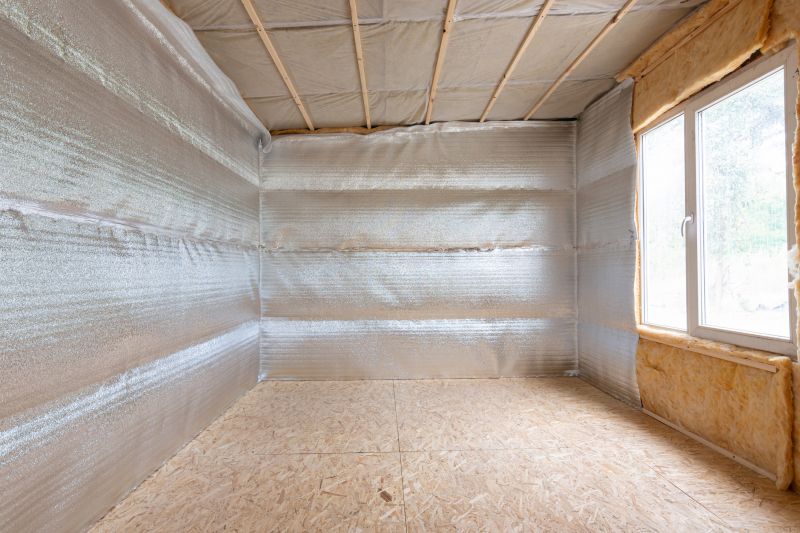
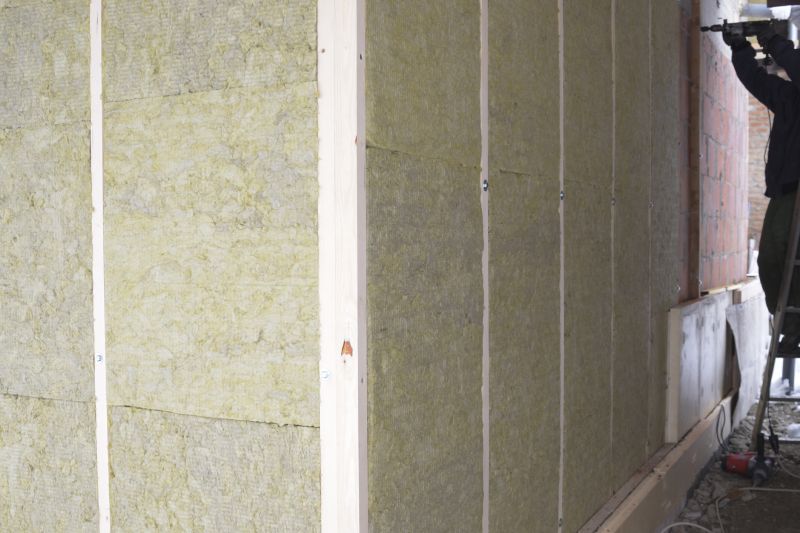
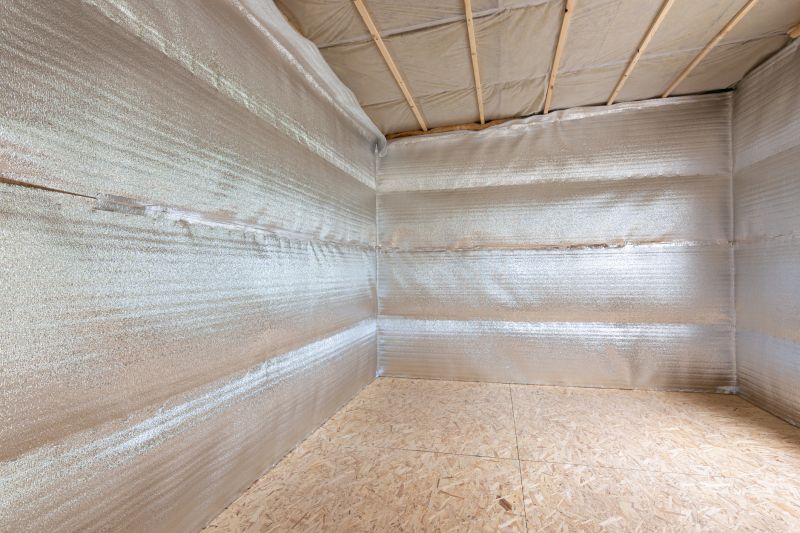
When homeowners search for information about the difference between insulation types and materials, they are often trying to understand how various options can impact their property's comfort, energy efficiency, and overall costs. This topic usually comes up during projects like upgrading existing insulation, insulating a new construction, or addressing specific issues such as drafts or uneven temperatures. People may also be exploring different materials to find solutions that suit their climate, budget, or preferences for installation methods. Understanding the distinctions helps homeowners make informed decisions about which insulation options will best meet their needs and how local contractors can assist in selecting and installing the right materials.
The types and materials of insulation are closely linked to specific problems or plans homeowners might have. For instance, a homeowner dealing with high energy bills might look into insulation that offers superior thermal resistance, while someone renovating an older home may need options compatible with existing structures. Insulation can also play a role in soundproofing or moisture control, depending on the property’s location and condition. Whether the goal is to improve energy efficiency, enhance comfort, or meet building codes, knowing the differences between insulation types and materials helps determine the most suitable approach. Local service providers can evaluate the property’s unique needs and recommend the best insulation solutions for each situation.
Properties that typically come up in discussions about insulation include residential homes, especially those with attics, walls, basements, or crawl spaces. Different types of properties may require specific insulation materials based on their construction and usage. For example, older homes might need insulation that can be added without extensive renovations, while new builds might incorporate advanced materials for better performance. Commercial properties, such as small offices or retail spaces, also benefit from specialized insulation options designed for larger or more complex structures. In all cases, understanding the variety of insulation types and materials helps homeowners and property owners identify the best options and find local contractors who can provide expert installation tailored to each property’s requirements.
Choosing the right insulation involves understanding how different types and materials function within various property types. Local contractors are familiar with the most effective insulation solutions for specific building styles and climates. They can help assess the property's current insulation status, recommend suitable materials-such as fiberglass, spray foam, mineral wool, or cellulose-and ensure proper installation. This guidance is essential for achieving the desired results, whether that’s improved energy efficiency, reduced noise, or moisture control. By working with experienced service providers, homeowners can navigate the complexities of insulation options and select materials that will perform well over time, fitting the unique characteristics of their property and project goals.
Attic insulation projects involve selecting appropriate materials and installation techniques, similar to understanding insulation types and materials for optimal energy efficiency.
Basement waterproofing requires planning and the use of specialized materials, paralleling the considerations in choosing insulation materials for different applications.
Wall insulation upgrades involve assessing existing structures and applying suitable insulation methods, aligning with the knowledge needed for insulation types and materials.
Soundproofing installations utilize various materials and techniques, similar to how different insulation materials affect thermal and acoustic performance.
Ductwork insulation services focus on proper material selection and installation, which is essential when understanding the differences between insulation types.
Roofing and attic ventilation projects often require insulation considerations, connecting to the importance of choosing the right materials for specific needs.
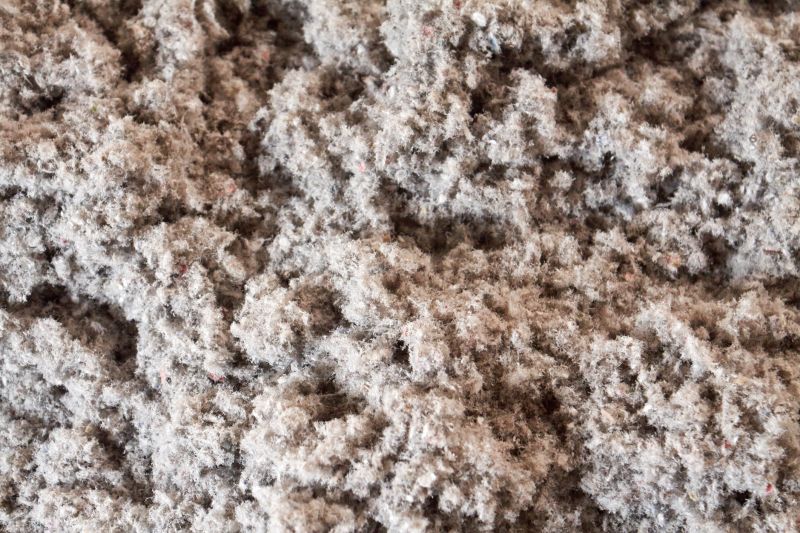
When comparing local contractors for insulation services related to understanding the difference between insulation types and materials, experience with similar projects can be a valuable indicator of their expertise. Homeowners should seek service providers who have a history of working on projects comparable in scope and complexity, ensuring they are familiar with the nuances of different insulation options. Reputable references or reviews can provide insight into a contractor’s track record, highlighting their ability to deliver quality work and navigate the specific challenges associated with various insulation materials and types.
Clear written expectations are essential when evaluating potential service providers. Homeowners should look for contractors who can articulate their approach, explain the benefits and limitations of different insulation materials, and outline what the project will entail. This clarity helps establish a mutual understanding of the work involved and ensures that both parties are aligned on the scope and outcomes. Well-defined expectations can also prevent misunderstandings and facilitate smoother communication throughout the project.
Good communication is a cornerstone of a successful insulation project. Homeowners should prioritize service providers who are responsive, transparent, and willing to answer questions about insulation options and installation processes. Reputable local contractors will be able to provide straightforward explanations about the differences between insulation types and materials, helping homeowners make informed decisions. Establishing open lines of communication early on can lead to a more efficient process and a final result that meets the homeowner’s needs and expectations.
Property owners often search for the difference between insulation types and materials when they are planning practical projects around their homes and businesses. Local pros provide Insulation Types and Materials services for everyday jobs and straightforward project options.
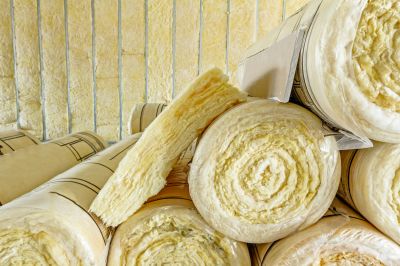
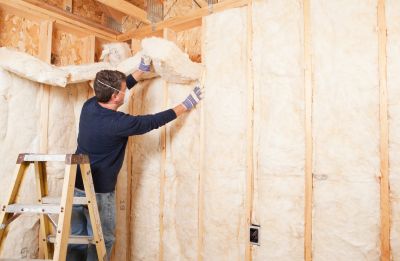
Understanding the difference between insulation types and materials is essential for property owners considering upgrades or new installations. When planning an insulation project, many people want to know which materials are best suited for their specific needs, whether it’s for attics, walls, or basements. Local contractors can provide guidance on the various options available, helping property owners choose insulation that fits their goals for energy efficiency, durability, and budget. By understanding the characteristics of different insulation types-such as fiberglass, foam, or mineral wool-homeowners can make informed decisions and work with service providers who specialize in the appropriate materials for their spaces.
Choosing the right insulation materials also involves considering factors like installation methods, thermal performance, and compatibility with existing structures. Property owners often look up this topic to better understand what options are available and how different materials can impact comfort and energy costs. Local service providers can assist in evaluating these factors and recommend suitable insulation types based on the specific requirements of each project. Connecting with experienced contractors ensures that the chosen materials are installed correctly, maximizing their effectiveness and contributing to a more comfortable, energy-efficient property.
What are the main types of insulation used in homes? Common insulation types include fiberglass, foam board, spray foam, cellulose, and mineral wool, each offering different benefits and applications. Local contractors can help determine which type suits specific areas of a property.
How do different insulation materials compare in terms of performance? Insulation materials vary in R-value, moisture resistance, and durability, affecting their effectiveness. Service providers can advise on the best materials based on the insulation type needed for a particular space.
Why is it important to understand the difference between insulation types and materials? Knowing the difference helps in selecting the right insulation for energy efficiency, soundproofing, or moisture control. Local pros can assist in choosing and installing the appropriate insulation materials and types.
Can local contractors help me choose the right insulation material for my needs? Yes, experienced service providers can evaluate your space and recommend suitable insulation types and materials based on your specific requirements.
What factors influence the choice of insulation type and material for a project? Factors include the location within the building, climate, budget, and desired insulation performance. Local pros can evaluate these factors and suggest the best options for your project.
Understanding insulation types helps property owners choose the right material for specific areas, such as attics or basements, with the help of local contractors.
Comparing insulation materials allows homeowners to select options like foam, fiberglass, or cellulose based on durability and application needs, with guidance from local service providers.
Knowing the differences in installation methods can influence decisions on whether to retrofit existing insulation or install new materials, supported by local pros' expertise.
Evaluating insulation performance ensures that property owners select the most effective materials for energy efficiency, with assistance from local contractors experienced in various insulation types.
If you are thinking about the difference between insulation types and materials for a property, this guide is meant to help you understand this topic, the typical project types, and how different options might fit your plans.
When you are ready, you can use the quote form on this page to share a few details about your project. From there, local pros can review the basics and follow up with options that match what you have in mind.